22 February 2019 - angela.reggi
Worldwide trend to clean up electricity

The “Energy Revolution Global Outllok” report, published by Drax and written by experts from the “Imperial College London” and E4tech, ranks the progress in 25 major world economies.
These countries account for 80% of global population, 77% of global GDP and 73% of the world’s CO2 emissions.
The report provides a league table regarding the efforts to clean up electricity generation, switch from oil to electric vehicles, deploy carbon capture and storage, eliminate fossil fuel subsidies and tackle energy efficiency.
We refer directly to the report for an in-depth analysis, however we report below some key aspects of the study:
Progress on clean electricity
Electricity has been the fastest sector of the economy to decarbonise as countries move away from coal and embrace low-cost renewables. Yet the average carbon intensity of electricity worldwide has fallen only 7% in the last decade to 450 grams of CO2 per kilowatt hour (gCO2/kWh).
Countries across Europe and North America have almost unanimously reduced the carbon intensity of their electricity over the last decade. They have done this by reducing their reliance on coal and increasing their share of renewables, as well as by reducing electricity demand in many cases.
On the other hand, several large Asian countries – Japan, South Korea, India, Indonesia – increased their carbon intensity as they now rely more heavily on coal. China is one of the only Asian countries to be cleaning up its power system, having reduced carbon intensity by one-sixth this decade. The US is also progressing faster than most, behind only the UK and Denmark.
Progress on clean transport
Clean electricity could move beyond homes and offices to power the way we move. Electric vehicles are rapidly coming down in price, and several countries are now legislating the demise of the internal combustion engine over the coming decades.
Cleaning up the transport sector does not just rely on new technologies, however, as people could travel less or using more efficient forms such as public transport. The amount of energy consumed per person on transportation varies greatly across the world, with the average American consuming 10 times more than the average Indian.
Progress on energy efficiency
Efficiency is not only slow to improve in the transport sector. Improving the energy efficiency of buildings worldwide is urgently needed to reduce the demand for carbon-intensive heating.
Homes in most major countries are using less energy than they did a decade ago, per square metre of floor area.
This ranking is led by 4 European countries, Portugal, Germany, the Netherlands and Great Britain, with reduction in energy consumption of about 30%, on the other hands China and South Africa close this ranking with an increase of about 30% and 50% respectively, due to the improvment of their living standards.
Progress on fossil fuels and carbon capture
Government support for fossil fuels is a perverse feature of many economies, holding back the transition away from coal, oil and gas. However, it has to be underlined that the definition of fossil fuel subsidies is still widely disputed.
The situation registered is however very disparate, several major fossil fuel producing nations with relatively small populations, such as Norway and Australia, provide hundreds of dollars per capita per year. On this measure, the UK also gives large subsidies. Whereas, India do not provide any subsidies to fossil fuels.
The development of CCS (Carbon Capture and Storage) is very limited with only 18 large-scale plants in 6 different countries worldwide, mainly linked to oil and gas production.
Together, these CCS facilities are capable of capturing 32 million tonnes of CO2 each year. This is less than one-tenth of one percent of the roughly 37 billion tonnes of CO2 produced each year by the world’s energy sector.
12 December 2022
A new face for Carbon Footprint Italy

10 November 2022
Aequilibria at the COP27 in Sharm el-Sheikh
12 October 2022
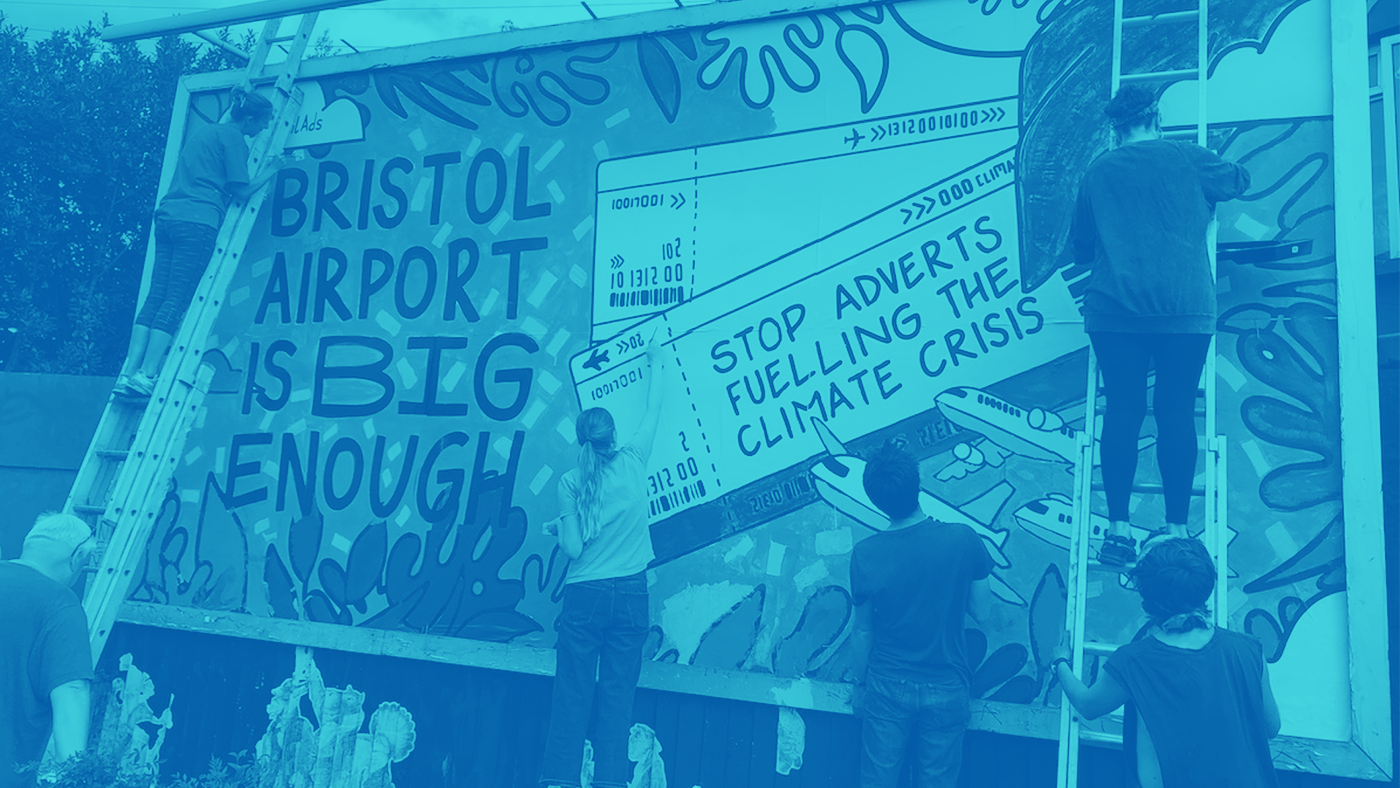
Greenwashing: the other side of sustainability

6 October 2022
Big news in the Carbon Footprint International Alliance!

19 July 2022
The second edition of Close the Tap is ONLINE!

16 June 2022
Aequilibria is Sustainability Partner of HERO Dolomites!
19 April 2022
The video contest “CLOSE THE TAP” has come to an end: here are the winners

31 March 2022
Arctic and Antarctica never so hot: what is going on?

22 March 2022
The Council of the European Union approves the CBAM, the new Carbon Border Adjustment Mechanism

7 December 2021
The video contest on climate change “Close the tap” is now on FilmFreeway platform
15 November 2021
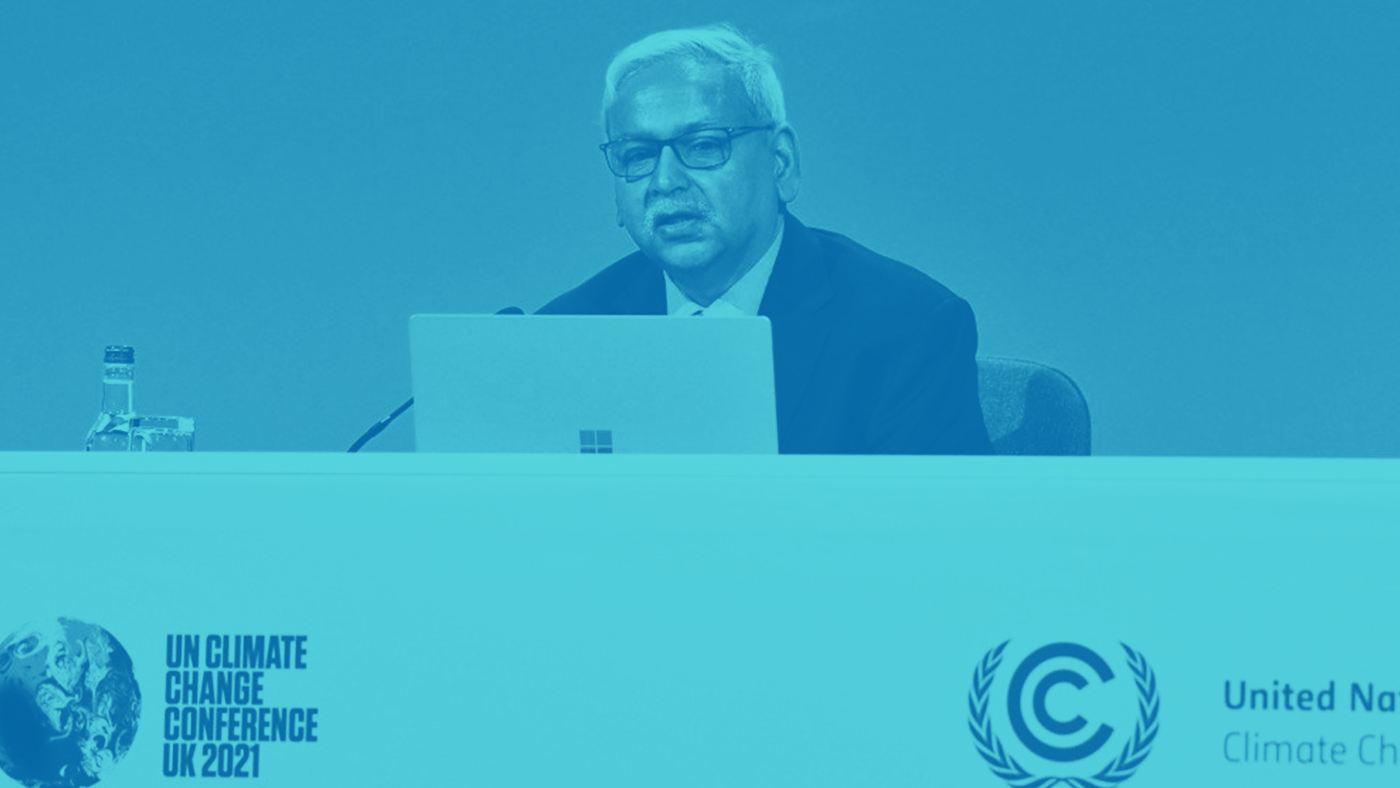
Good morning from Glasgow: Daniele Pernigotti at the COP26 – The Good COP and the Bad COP for the Glasgow Climate Pact

12 November 2021
Good morning from Glasgow: Daniele Pernigotti at the COP26 – The last mile
11 November 2021
Good morning from Glasgow: Daniele Pernigotti at the COP26 – The COP failed! Or not, there is a deal! The immaturity of (some) Italian press

10 November 2021
Good morning from Glasgow: Daniele Pernigotti at the COP26 – The famous Article 6

9 November 2021
Good morning from Glasgow: Daniele Pernigotti at the COP26 – For those thirty pieces of silver…

8 November 2021
Good morning from Glasgow: Daniele Pernigotti at the COP26 – Success, failure, or the usual half-full glass?
5 November 2021
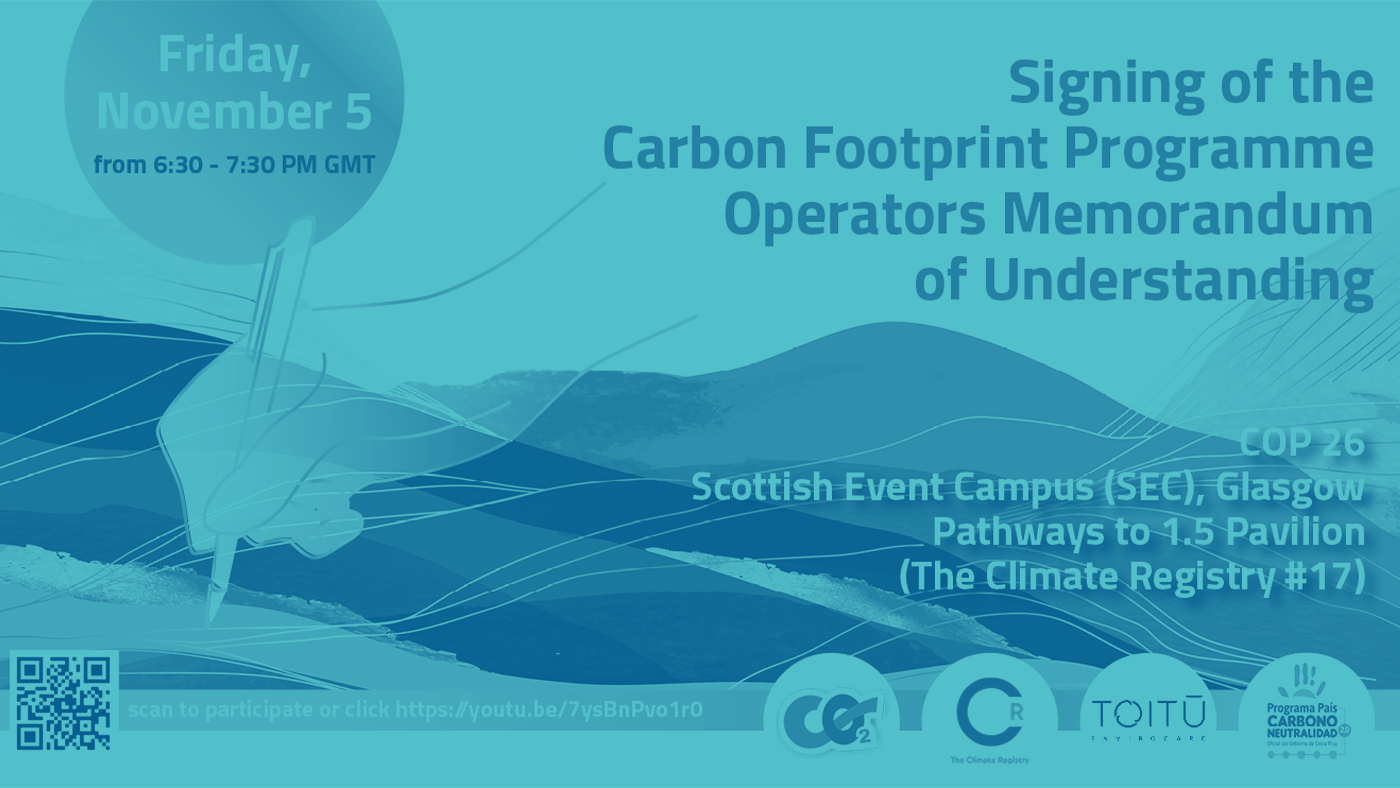
Good morning from Glasgow: Daniele Pernigotti at the COP26 – The first step towards a global Carbon Footprint label
4 November 2021
Good morning from Glasgow: Daniele Pernigotti at the COP26 – Adaptation: the other side of the coin

3 November 2021
Good morning from Glasgow: Daniele Pernigotti at the COP26 – Participation or anti-COVID19 measures…That is the question.
2 November 2021
Good morning from Glasgow: Daniele Pernigotti at the COP26 – The UN Secretary General never so harsh: Stop treating Nature like a toilet!