11 August 2017 - angela.reggi
Greenland’s ice melts faster than expected
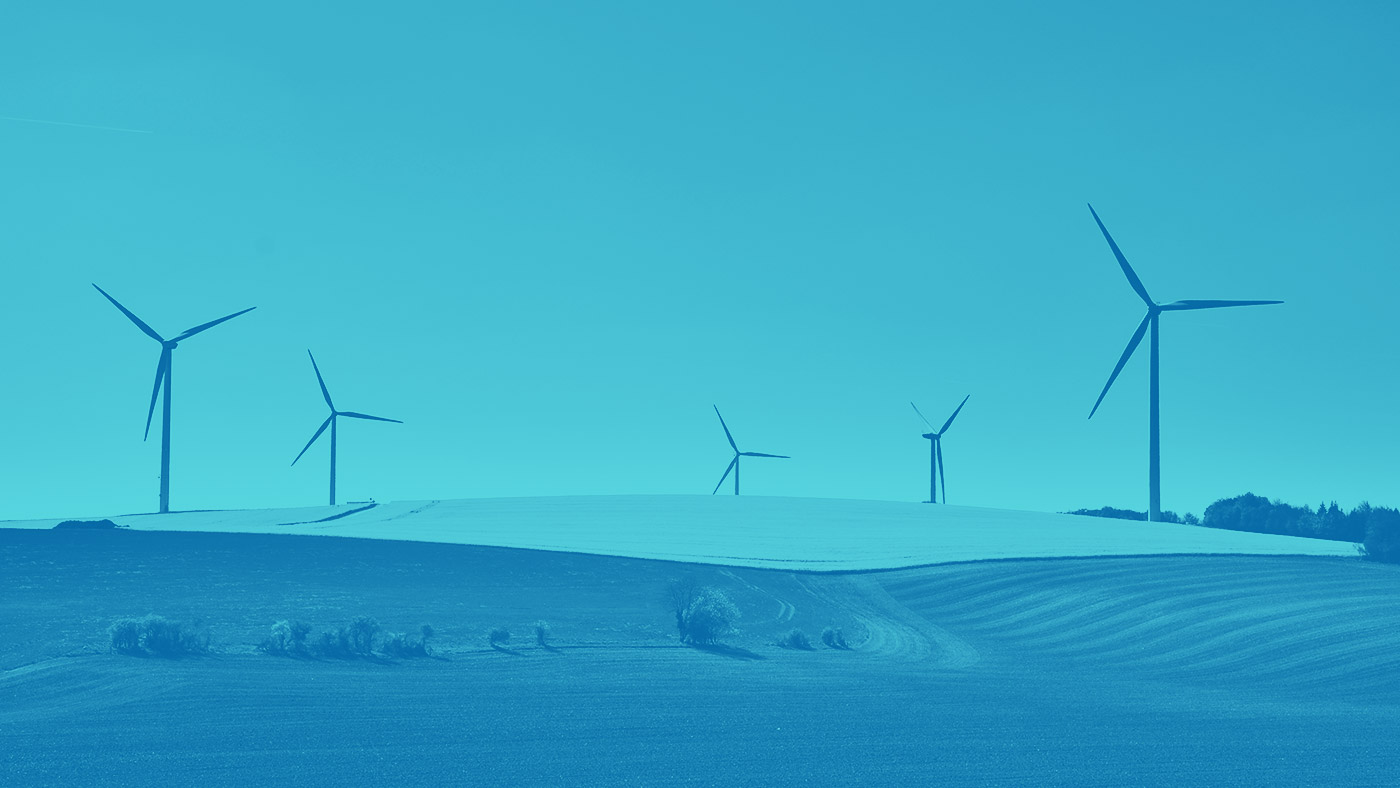
[vc_row type=”in_container” full_screen_row_position=”middle” scene_position=”center” text_color=”dark” text_align=”left” overlay_strength=”0.3″][vc_column column_padding=”no-extra-padding” column_padding_position=”all” background_color_opacity=”1″ background_hover_color_opacity=”1″ width=”1/1″ tablet_text_alignment=”default” phone_text_alignment=”default”][vc_column_text]Scientists show a growing concern about the state of the ice in Greenland, given the ever-faster pace it is melting.
The total disappearance of these ice sheets, which are about 3 km thick, would lead to a rise of about 7 meters in the oceans, but it is certain that this extreme scenario will not come to fruition over the course of a few centuries.
Today, however, the melting of Greenland ice contributes, by about 1 mm, to just under a third of the annual rise of the oceans.
The new source of concern is related to the proliferation of algae populations on the ice surface, favoured by the already recorded increase in temperature.
The surface of the ice thus become darker, reducing its natural reflective effect of light and favouring on the contrary a higher absorption which contributes to increase the ice temperature and hence its melting velocity. How relevant this effect is the subject of a five-year study led by the University of Bristol.
However, the results of the twenty-yar monitoring by NASA are available of the Helheim glacier in the eastern front of Greenland, which from 1998 to 2013 showed a retraction of the calving front of more than 3 km and a reduction in thickness of about 100 m.
[/vc_column_text][/vc_column][/vc_row][vc_row type=”in_container” full_screen_row_position=”middle” scene_position=”center” text_color=”dark” text_align=”left” overlay_strength=”0.3″][vc_column column_padding=”no-extra-padding” column_padding_position=”all” background_color_opacity=”1″ background_hover_color_opacity=”1″ width=”1/1″ tablet_text_alignment=”default” phone_text_alignment=”default”][vc_video link=”https://youtu.be/opYSUbjb_wU”][/vc_column][/vc_row]
12 December 2022
A new face for Carbon Footprint Italy

10 November 2022
Aequilibria at the COP27 in Sharm el-Sheikh
12 October 2022
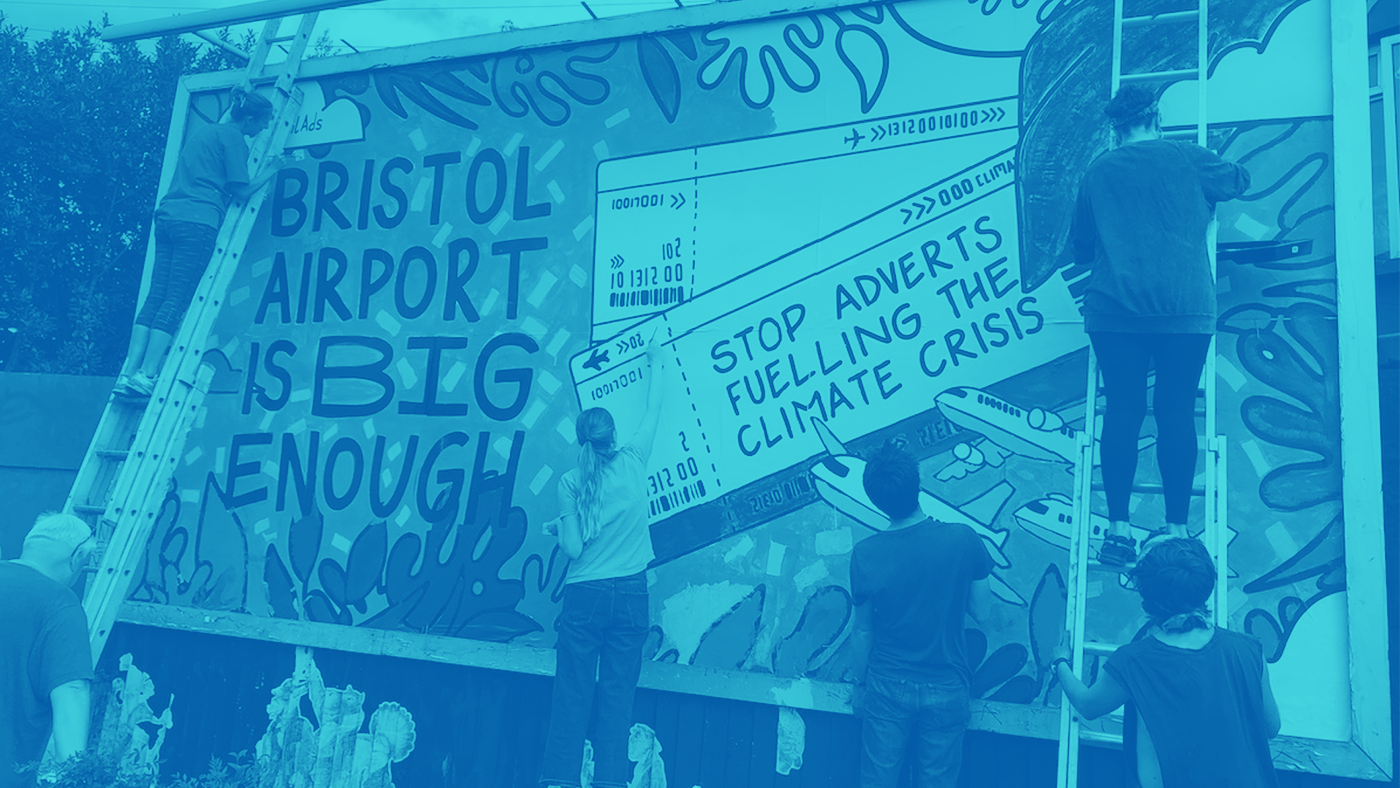
Greenwashing: the other side of sustainability
6 October 2022
Big news in the Carbon Footprint International Alliance!

19 July 2022
The second edition of Close the Tap is ONLINE!
16 June 2022
Aequilibria is Sustainability Partner of HERO Dolomites!
19 April 2022
The video contest “CLOSE THE TAP” has come to an end: here are the winners
31 March 2022
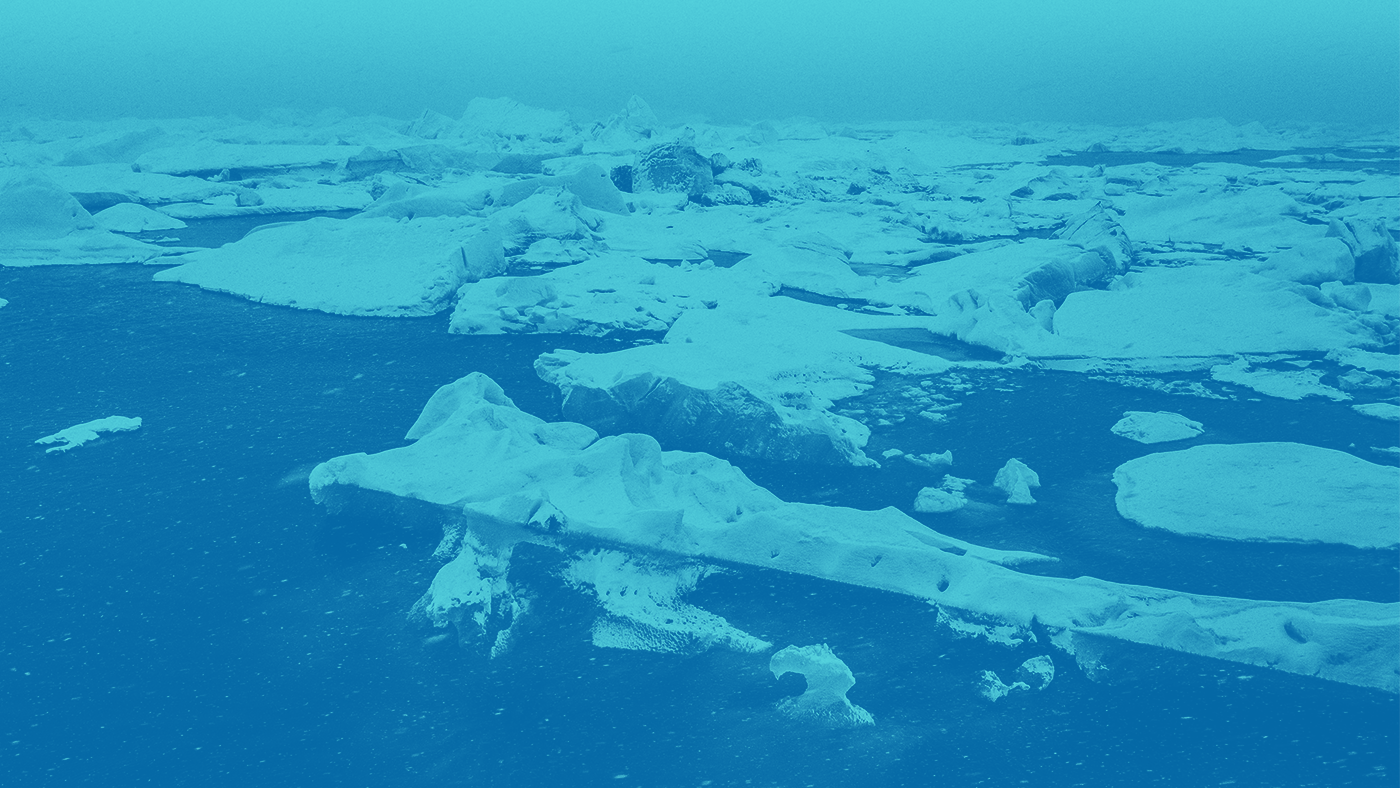
Arctic and Antarctica never so hot: what is going on?

22 March 2022
The Council of the European Union approves the CBAM, the new Carbon Border Adjustment Mechanism

7 December 2021
The video contest on climate change “Close the tap” is now on FilmFreeway platform
15 November 2021
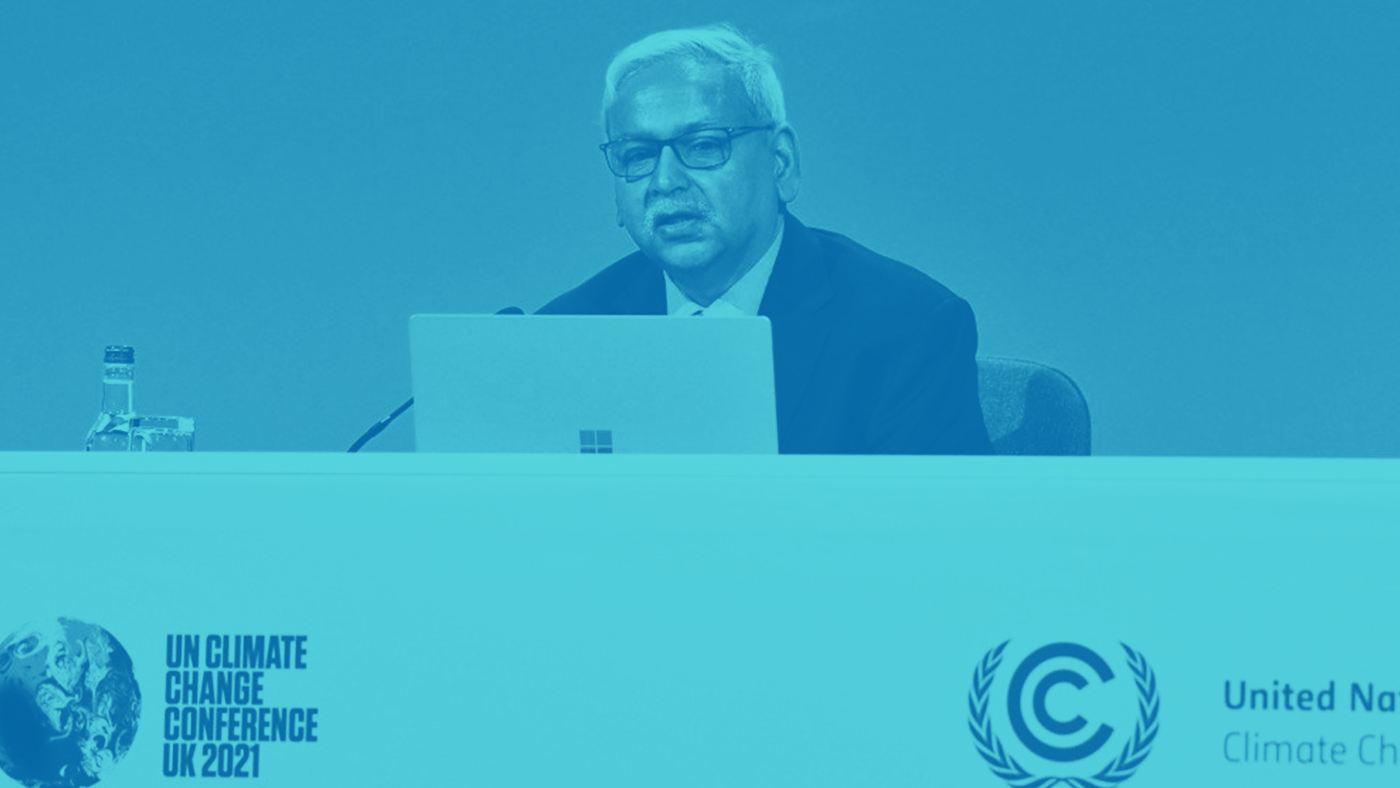
Good morning from Glasgow: Daniele Pernigotti at the COP26 – The Good COP and the Bad COP for the Glasgow Climate Pact
12 November 2021
Good morning from Glasgow: Daniele Pernigotti at the COP26 – The last mile
11 November 2021
Good morning from Glasgow: Daniele Pernigotti at the COP26 – The COP failed! Or not, there is a deal! The immaturity of (some) Italian press

10 November 2021
Good morning from Glasgow: Daniele Pernigotti at the COP26 – The famous Article 6

9 November 2021
Good morning from Glasgow: Daniele Pernigotti at the COP26 – For those thirty pieces of silver…
8 November 2021
Good morning from Glasgow: Daniele Pernigotti at the COP26 – Success, failure, or the usual half-full glass?
5 November 2021
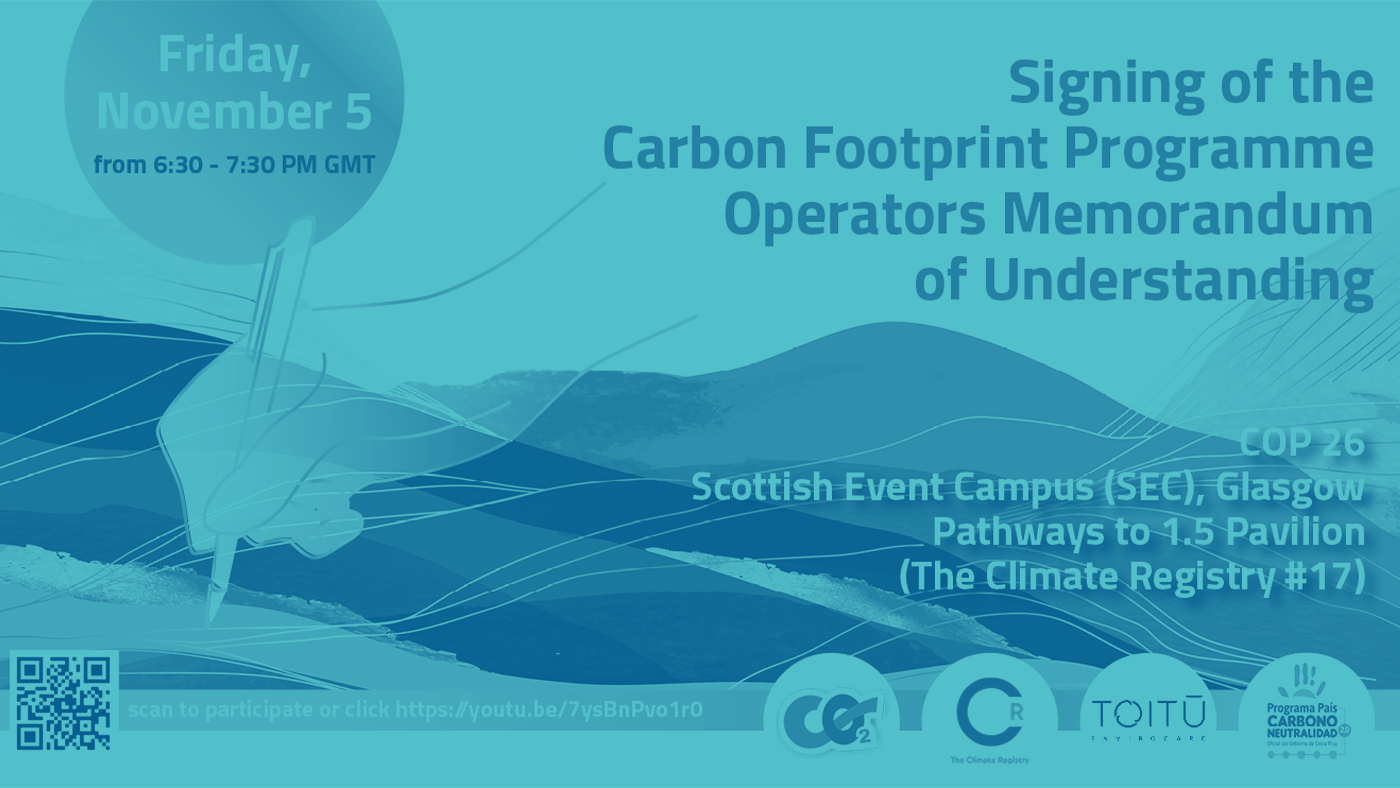
Good morning from Glasgow: Daniele Pernigotti at the COP26 – The first step towards a global Carbon Footprint label
4 November 2021
Good morning from Glasgow: Daniele Pernigotti at the COP26 – Adaptation: the other side of the coin

3 November 2021
Good morning from Glasgow: Daniele Pernigotti at the COP26 – Participation or anti-COVID19 measures…That is the question.

2 November 2021
Good morning from Glasgow: Daniele Pernigotti at the COP26 – The UN Secretary General never so harsh: Stop treating Nature like a toilet!