21 Marzo 2014 - angela.reggi
L’UNFCCC compie 20 anni!!!
To celebrate the 20th anniversary of the entry into force of the UN Framework Convention on Climate Change, key international figures past and present are highlighting the achievements of 20 years of work under the Convention in a special section of the UNFCCC website.
These figures include UN Secretary-General Ban Ki-moon and Dr. Barbara Hendricks, German Minister for the Environment, Nature Conservation, Building and Nuclear Safety. The web page also includes statements by three former UNFCCC Executive Secretaries: Joke Waller-Hunter, Michael Zammit Cutajar and Yvo de Boer.
In his statement on the UNFCCC website, available in English, French, Spanish, Russian, Chinese and Arabic, UN Secretary-General Ban Ki-moon says: “Two decades of work by the UNFCCC and its Parties have created the infrastructure to spur a resilient, low-carbon global economy. Our challenge now is to use this machinery – not only to tackle climate change, but to deliver sustainable energy for all, make the air in our cities fit to breathe, generate decent jobs and help eradicate extreme poverty. These are all mutually reinforcing components of the post-2015 development
agenda.”
In a note to Parties sent ahead of the anniversary, UNFCCC Executive Secretary Christiana Figueres said:
“This is a moment to celebrate the farsightedness of the Convention and all of the investment in its implementation that so many thousands of people have made over the last two decades. It is also a time when we can reflect on the distance we all have yet to travel to achieve the ultimate objective
enshrined in the Convention, which is the stabilization of greenhouse gas concentrations in the atmosphere at a level that would prevent dangerous human-induced interference with the climate system. The need is greater than ever and I hope this anniversary inspires everyone to recommit to the Convention, to its implementation and to a meaningful 2015 agreement.”
The special feature on the UNFCCC website includes an interactive timeline showing milestones of the UNFCCC process along with other historic events that occurred on these dates, as well as infographics and video interviews.
See: <http://unfccc.int/timeline/>
On 21 March, UNFCCC Executive Secretary Christiana Figueres will host a Twitter chat to celebrate the anniversary. The chat (16:00 to 16:30 Central European Time) will use the #FCCCresulted hashtag to look back at the landmark achievements of the Convention and the many ways it has led the world towards the realization that acting on climate change is both a necessity and the greatest opportunity of our time. Twitter users are also encouraged to post pictures which capture moments over the past 20 years that personally touched them the most using the #FCCCpic hashtag. The best
pictures will feature on the website and in a UNFCCC Facebook fan page album.
See: <http://unfccc.int/press/
For more information, please contact:
Nick Nuttall, Coordinator, Communications and Outreach: +49 228 815 1400
(phone), +49 152 0168 4831 (mobile) nnuttall(at)unfccc.int
John Hay, Communications Officer: +49 228 815 1404 (phone), +49 172 258
6944 (mobile) jhay(at)unfccc.int
About the UNFCCC
With 195 Parties, the United Nations Framework Convention on Climate Change
(UNFCCC) has near universal membership and is the parent treaty of the 1997
Kyoto Protocol. The Kyoto Protocol has been ratified by 192 of the UNFCCC
Parties. For the first commitment period of the Kyoto Protocol, 37 States,
consisting of highly industrialized countries and countries undergoing the
process of transition to a market economy, have legally binding emission
limitation and reduction commitments. In Doha in 2012, the Conference of
the Parties serving as the meeting of the Parties to the Kyoto Protocol
adopted an amendment to the Kyoto Protocol, which establishes the second
commitment period under the Protocol. The ultimate objective of both
treaties is to stabilize greenhouse gas concentrations in the atmosphere at
a level that will prevent dangerous human interference with the climate
system.

1 Ottobre 2026
Carbon Management e normativa europea: come integrare standard volontari e obblighi UE

9 Settembre 2026
Come la Turchia bilancia decarbonizzazione e sicurezza energetica?
7 Settembre 2026
Carbon Footprint di Prodotto e ISO 14067: impara a quantificare e comunicare l’impronta climatica
2 Settembre 2026
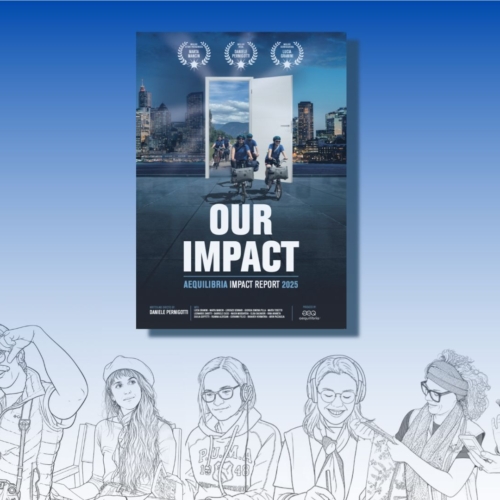
Impact Report 2025: raccontiamo l’impatto di Aequilibria
31 Agosto 2026
Analizzare il rischio greenwashing nella comunicazione ambientale
27 Agosto 2026
ETS 2: scopri requisiti di compliance e impatti sulle strategie aziendali
20 Agosto 2026
Mobilità elettrica e Linee Guida UNECE per l’efficienza sistemica
18 Agosto 2026
Impatti sulla salute del cambiamento climatico: 24 settembre torna “Dialoghi sul Clima”
20 Luglio 2026
Come la Cina sta definendo il quadro di normazione “Dual Carbon”?

16 Luglio 2026
Come decarbonizzare la filiera della moda? Il caso Paris Good Fashion al 107° Tea Corner

1 Luglio 2026
Verso città libere dalla pubblicità fossile: il ruolo dei Comuni e degli standard tecnici.

4 Giugno 2026
Verifica e Validazione delle Emissioni GHG: fondamenti normativi e accreditamento
18 Maggio 2026
Corso Carbon Neutrality: come raggiungerla secondo la ISO 14068
6 Maggio 2026
ETS 2: la nuova scadenza per la Dichiarazione di Verifica è il 30 giugno 2026
30 Aprile 2026
EU ETS e carbon leakage: la tesi vincitrice dell’ultimo bando Tesi per il clima

28 Aprile 2026
Misurare e comunicare l’impatto sociale: perché è importante?

27 Aprile 2026
Santa Marta: la prima Conferenza internazionale sull’abbandono dei combustibili fossili
21 Aprile 2026
Corso CBAM & ETS: dalle regole alla readiness (III edizione)
15 Aprile 2026
ETS nel mondo: la nuova frontiera del carbon pricing globale al 104° Tea Corner

26 Marzo 2026
Corso self-paced sulla Carbon Footprint of Products: come applicare la ISO 14067?